

Prams Twin
Add a review FollowOverview
-
Founded Date 15 June 2017
-
Sectors Slonec
-
Posted Jobs 0
-
Viewed 22
Company Description
Five Tools That Everyone In The Prams Pushchairs Industry Should Be Using
Understanding Baby Prams and Pushchairs: A Comprehensive Guide
When it comes to caring for a newborn or a baby, few products are as essential as a reputable baby pram or Pushchair Sale. These movement help supply a safe, comfy way to transport babies while enabling moms and dads and caregivers the freedom to navigate the world. This short article explores the numerous aspects of baby prams and pushchairs, helping moms and dads make notified decisions about which product may be best suited for their family’s needs.
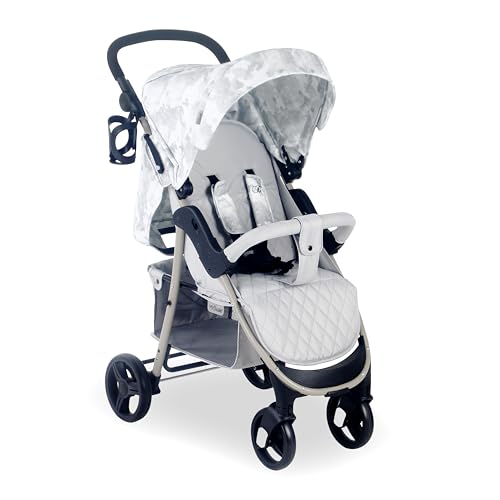
What Are Baby Prams and Pushchairs?
Baby Prams: These are normally developed for infants and extremely young babies. They have fully reclining seats that enable a flat position, making them appropriate for newborns. Prams frequently include a large, deep body, providing additional protection and comfort.
Pushchairs: Pushchairs, also called strollers, are more versatile and can normally be adjusted for young children also. They are light-weight, easy to navigate, and frequently include a range of seating positions, consisting of reclined and upright.
| Function | Baby Prams | Pushchairs |
|---|---|---|
| Appropriate Age | Newborn to around 6 months | Newborn to 3 years or more |
| Seat Position | Totally reclined | Adjustable (reclined and upright) |
| Weight | Much heavier, more robust | Lighter, more compact |
| Folding Mechanism | More complicated folding | Typically easier folding |
| Maneuverability | Can be less maneuverable | Highly maneuverable |
Secret Features to Consider
When choosing a baby pram or pushchair, potential buyers must consider a number of essential features that can influence the functionality and convenience for both the kid and the caretaker.
1. Safety Features
- Five-point Harness: Ensures the baby is safely strapped in.
- Brakes: Reliable braking systems avoid accidents.
- Stability: A wide base and sound frame boost stability.
2. Comfort
- Padding: Ample cushioning on the seat ensures comfort.
- Suspension System: Provides a smoother ride on uneven surface areas.
- Canopy: A large, adjustable canopy safeguards the baby from sun and rain.
3. Portability
- Weight: Lighter designs are simpler to raise and bring.
- Folding Mechanism: Easy folding styles permit for quick storage and transport.
- Compact Size: A more compact size makes it easier to suit vehicle boots and tight areas.
4. Adaptability
- Convertible Options: Some designs can be adjusted from a pram to a pushchair.
- Reversible Seat: Allows the baby to deal with the moms and dad or the world, depending upon choice.
- Accessories: Look for alternatives that can accommodate automobile seats or have a storage basket.
5. Resilience
- Material Quality: Invest in higher-end materials for longevity.
- Weather condition Resistance: Water-resistant materials make sure that the pram/pushchair can stand up to various weather.
Kinds Of Baby Prams and Pushchairs
Numerous types of baby prams and pushchairs meet different function requirements, lining up with moms and dads’ particular way of lives.
1. Travel Systems
Travel systems usually integrate a vehicle seat and a stroller in one package, permitting for seamless transportation from cars and truck to pram or pushchair without disrupting the baby.
2. Umbrella Strollers
Umbrella strollers are lightweight and hassle-free, created for easier maneuverability. They are ideal for fast journeys and might do not have some features found in full-size strollers.
3. All-Terrain Pushchairs
These are best for active households who take pleasure in hiking or taking walks on rugged terrains. They usually include bigger wheels for stability.
4. Jogging Strollers
Jogging strollers are developed for moms and dads who want to combine exercise with childcare. They include sturdy frames and fixed front wheels to improve security during a run.
The Importance of Choosing the Right Option
Selecting the proper baby pram or pushchair is not simply a matter of choice; it directly impacts the safety and convenience of the baby. In addition, the ideal option can profoundly influence the way of life of the caretakers.
Advantages:
- Convenience: A well-chosen pram or pushchair makes trips easier and more satisfying.
- Health: Proper support helps in back and skeletal development in babies.
- Bonding: Outdoors play a critical role in parent-child bonding.
Often Asked Questions (FAQs)
1. At what age can my baby use a pushchair?
The majority of pushchairs are designed to accommodate babies as young as six months, although some designs can be gotten used to securely transport newborns when used with compatible safety seat.
2. How do I keep my baby pram or pushchair?
Routine cleansing is important. Wipe down the frame and material with a moist fabric and mild soap. Occasionally examine the wheels and brakes for wear and tear.
3. Can I utilize a baby pram for running?
Typically, no. Routine baby prams do not have the stability and style required for jogging. It is more secure to use a stroller particularly designed for that purpose.
4. How do I choose the ideal size?
Think about how typically you will be using the pram/pushchair and where. If space is limited, look for a more compact design. For outside adventures, go with one with bigger wheels and good suspension.
Baby prams and pushchairs are indispensable tools for parents and caretakers, enabling safe and comfy transport of infants and young children. By comprehending the numerous features, types, and benefits included, caretakers can select the very best mobility aid matched to their needs. Whether it be a sophisticated travel system or an easy umbrella stroller, the ideal purchase can substantially improve the experience of being a parent, making outings enjoyable and stress-free for both moms and dads and babies alike.