
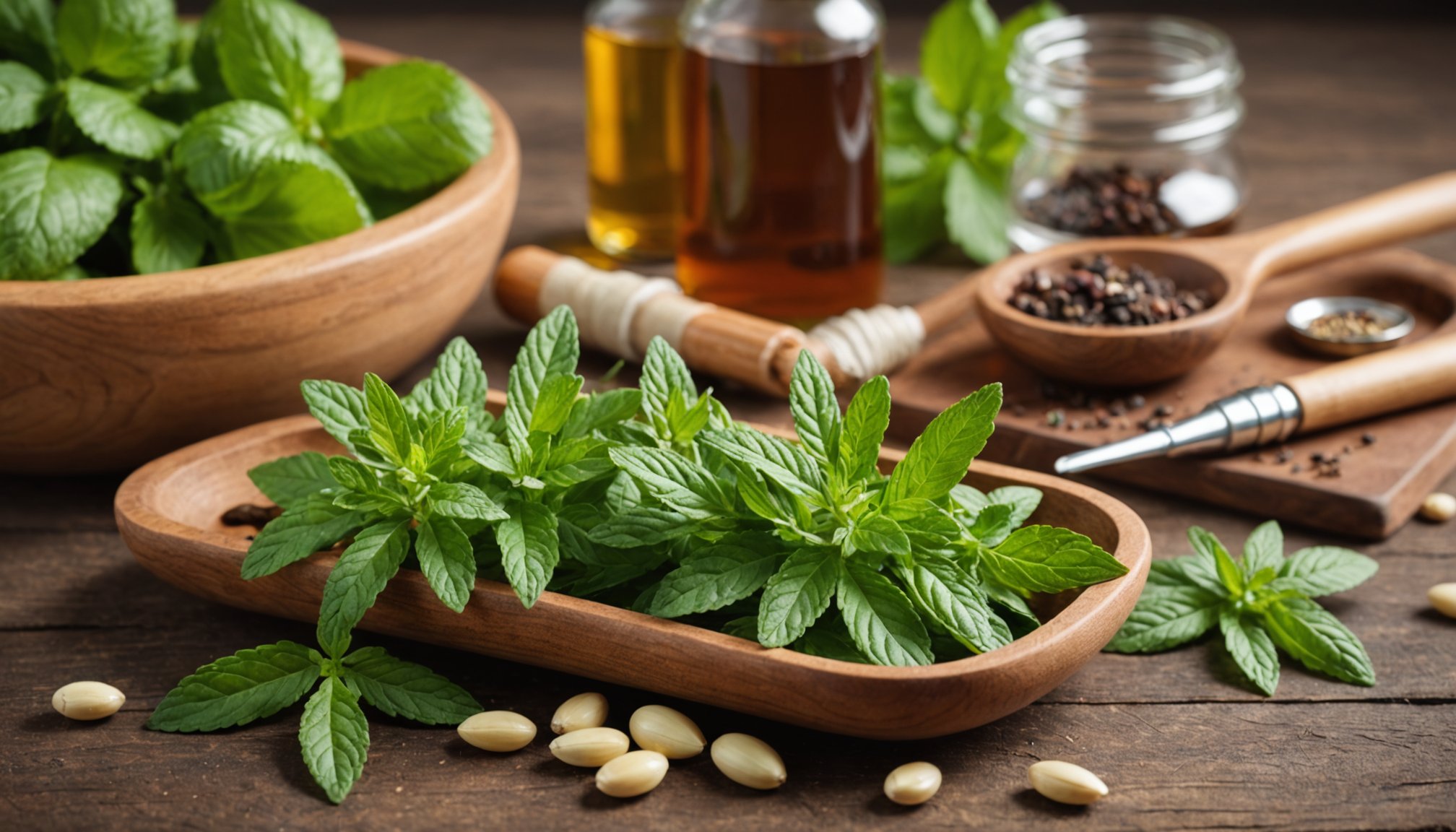
Natural remedies for potency — answers to the main questions
Disclaimer: This article is for educational purposes only and does not replace professional medical advice, diagnosis, or treatment. Sexual health concerns can have many causes; consult a qualified healthcare professional for personalized guidance.
Frequently asked questions (FAQ block at the beginning)
What does “potency” mean in medical terms?
Potency generally refers to sexual function, especially the ability to achieve and maintain an erection sufficient for sexual activity. Clinically, difficulties are often discussed under “erectile dysfunction” (ED), which can be occasional or persistent.
Why can potency decrease over time?
Common contributors include blood vessel health, nerve function, hormone balance, psychological stress, and lifestyle factors. Aging itself isn’t the sole cause; chronic conditions and habits often play a larger role.
How can I recognize early signs of reduced potency?
Early signs may include less frequent morning erections, difficulty maintaining firmness, or reduced sexual desire. These changes may appear gradually and can vary with stress or fatigue.
Are potency problems dangerous?
They can be a warning sign of underlying health issues such as cardiovascular disease or diabetes. While not immediately dangerous, they deserve attention because of their links to overall health.
What natural remedies are commonly discussed for potency?
Commonly discussed approaches include regular physical activity, balanced nutrition, stress management, adequate sleep, and certain plant-based foods. These aim to support blood flow, metabolism, and hormonal balance.
Do herbal supplements work for potency?
Evidence varies widely. Some herbs are traditionally used, but scientific support is inconsistent and quality control differs. Always check safety and interactions before using supplements.
Can food choices really make a difference?
Yes, diet influences vascular health and inflammation, both important for erections. Diets rich in vegetables, fruits, whole grains, healthy fats, and lean proteins are associated with better sexual health.
Is stress linked to potency issues?
Absolutely. Chronic stress raises cortisol and can interfere with sexual arousal and hormone balance. Addressing stress is a key non‑pharmacological strategy.
Can exercise improve potency naturally?
Regular physical activity supports circulation, weight management, and mood. Both aerobic exercise and strength training are linked to improved erectile function.
Is it possible to improve potency without medication?
For many people, lifestyle changes and addressing underlying conditions can lead to noticeable improvement. However, results vary and may take time.
When should I see a doctor?
If problems persist for several months, worsen, or are accompanied by pain, hormonal symptoms, or cardiovascular risk factors, medical evaluation is recommended.
Are natural remedies safe for everyone?
Not always. “Natural” does not automatically mean safe, especially for people with chronic illness or those taking medications. Professional advice helps reduce risks.
Detailed breakdown
1. Understanding potency and overall health
Sexual function is closely tied to cardiovascular, metabolic, and mental health. Erections depend on healthy blood vessels and nerves, while desire and performance are influenced by hormones and psychological well‑being. Addressing potency naturally often means improving general health rather than targeting one symptom.
2. Lifestyle foundations that support sexual function
Evidence consistently supports lifestyle interventions as first‑line measures. Regular movement improves endothelial function; quality sleep supports testosterone regulation; stress reduction improves nervous system balance. These measures are frequently discussed in our Blog and Webinar sections.
3. Nutrition and natural foods for potency
Dietary patterns matter more than individual “superfoods.” Mediterranean‑style eating patterns are associated with better erectile function. Foods rich in nitrates, antioxidants, and omega‑3 fatty acids may support blood flow. Explore practical ideas in our Food category.
4. Psychological and relationship factors
Anxiety, depression, and relationship stress can independently affect potency. Mindfulness, counseling, and open communication with partners can be as important as physical interventions.
5. Herbal and alternative approaches: benefits and limits
Some herbs are traditionally linked to libido or circulation, but clinical evidence is mixed. Variability in preparation and potential interactions mean these should be approached cautiously and discussed with a professional. Our Resource section reviews safety considerations.
6. When natural approaches are not enough
If lifestyle measures don’t help, this may indicate an underlying medical condition. Combining medical care with healthy habits often provides the best outcomes.
| Symptom or situation | Urgency level | Where to seek help |
|---|---|---|
| Occasional difficulty during periods of stress | Low | Primary care, lifestyle counseling |
| Persistent potency problems for 3+ months | Moderate | Primary care physician or urologist |
| Potency issues with diabetes or heart disease | Moderate–High | Specialist care |
| Sudden onset with chest pain or shortness of breath | High | Emergency services |
Checklist: what you can do today
- Review your sleep habits and aim for consistent rest.
- Add regular physical activity suited to your fitness level.
- Focus meals on whole, minimally processed foods.
- Limit smoking and excessive alcohol consumption.
- Practice stress‑management techniques such as breathing or meditation.
- Communicate openly with your partner about concerns.
- Check chronic conditions are well managed.
- Be cautious with over‑the‑counter supplements.
- Schedule a routine health check if you haven’t recently.
Sources
- World Health Organization (WHO) — Sexual health and well‑being
- National Institute of Diabetes and Digestive and Kidney Diseases (NIDDK) — Erectile dysfunction overview
- American Urological Association (AUA) — Clinical guidelines on erectile dysfunction
- National Health Service (NHS) — Erectile dysfunction information
- European Association of Urology (EAU) — Guidelines on sexual and reproductive health