Skip to content

Home Insights Sierra Leone Finance Act 2026: a summary of the key changes

Sierra Leone Finance Act 2026: a summary of the key changes

The Finance Act 2026 came into operation on 1 January 2026. It raises company income tax from 25% to 30%, extends the minimum alternate tax to all companies, abolishes the investment allowance, raises withholding tax on rent and on payments to non-residents, and gives GST payers more time to pay. Here is what changed and what to do.

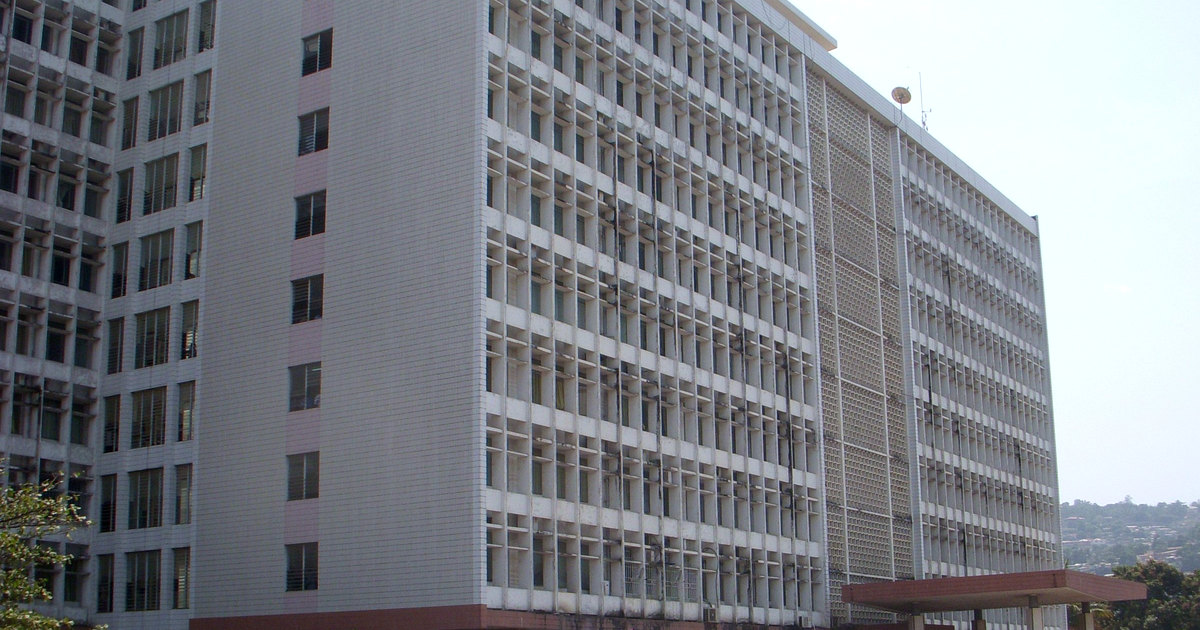
The Youyi Building in Freetown, a tall white government office block.

What are the biggest changes for companies?

Change Before Now
Company income tax rate for resident companies 25% 30%
Minimum alternate tax (MAT) loss-making companies only all companies
Investment allowance on new business assets available abolished
Withholding tax on rent paid to residents 10% 15%
Withholding tax on contractors, dividends, interest and management or professional fees paid to non-residents 10% or 15% 20%
GST payment deadline with the return, 21 days after the period end of the following month

How does the minimum alternate tax work now?

A company now pays the higher of its normal income tax at 30% of taxable profit and MAT at 2% of turnover. MAT does not apply in a company’s first three years after incorporation. Low-margin businesses, such as traders and distributors, are most affected, because 2% of turnover can be more than 30% of a thin profit. Re-run your 2026 forecast to see which figure is higher, and base your instalments on it.

What changed for withholding tax?

Two changes affect almost every business that pays rent or pays anyone abroad:

  • Rent. Tenants who must withhold now deduct 15% from rent paid to residents.
  • Non-residents. Withholding on payments to non-resident contractors, dividends, interest and management or professional fees is now 20%. A double tax agreement may reduce the rate, so check before you pay.

Update your withholding tables and supplier contracts, and remember that withholding tax deducted in a month is due to the NRA by the 15th of the following month.

What changed for GST?

  • More time to pay. GST is now payable by the end of the month after the tax period, but returns must still be filed within 21 days.
  • Digital services. Foreign suppliers of digital services to consumers in Sierra Leone must register for GST even without a physical presence, and appoint a local representative.
  • Faulty ECRs. A damaged, faulty or defective electronic cash register must be replaced at a cost set by the Commissioner-General.
  • Exemptions. Some exemptions have been rationalised; for example, bottled water and processed fish now carry GST, while cooking gas and solar home systems have been relieved.

See our page on tax compliance for help with GST filing.

What changed for employers?

Personal income tax rates are not changed by the Act. Redundancy and termination payments are now fully left out of employment income, so no PAYE is deducted from them, while final salary and holiday pay are still taxed. The Act also sets new fees and penalties for work and residence permits, with both employer and employee liable for penalties where a foreign employee has no permit. Employers of non-citizens must keep filing the payroll tax return introduced by the Finance Act 2025.

What other changes should I know about?

  • Excise. Excise on petrol and diesel rises to NLe5.00 a litre, excise on cement returns at NLe10.00 per 50kg, and tobacco excise rises.
  • Import duty. Duty on goods such as eggs, bottled water and plywood rises to 35%, while duty on cooking gas, LPG cylinders and stoves and small solar products falls to 0%.
  • Transfer pricing. Companies trading with related parties have new deadlines for master files, local files and country-by-country reports, with a penalty of 3% of the value of related-party transactions for each failure.
  • Mining. The royalty on exported dimension stones and marble falls.

What should businesses do now?

  1. Re-run your 2026 tax forecast at 30% and test whether MAT at 2% of turnover is higher.
  2. Update withholding rates: 15% on rent to residents and 20% on the listed payments to non-residents.
  3. Change your GST payment calendar, but keep filing returns within 21 days.
  4. Check related-party transactions against the new transfer pricing deadlines.
  5. List foreign staff and check their permits and payroll tax filings.

Where can I read the full guide?

Our guide, “The Finance Act 2026 Made Simple” by SLONEC founder Ishmael Bangura FFA, explains every change with the section of the Act it comes from, worked examples and a 2026 compliance calendar. Find it on our resources page. For sector-by-sector effects, see sectors.

Frequently asked questions

When did the Finance Act 2026 start?

It came into operation on 1 January 2026 and was published in the Gazette on 7 January 2026.

What is the company income tax rate in Sierra Leone in 2026?

30% for resident companies, up from 25%.

Does every company now pay minimum alternate tax?

Every company pays the higher of 30% of profit and 2% of turnover, except in its first three years after incorporation.

What is the withholding tax on rent in 2026?

15% on rent paid to residents, up from 10%.

Has the GST deadline changed?

Payment is now due by the end of the following month, but returns are still due within 21 days of the end of the period.

Did personal income tax rates change?

No. The Act does not change personal income tax rates.

Talk to us about the Finance Act 2026

Call +232 73 253666, message us on WhatsApp or email hello@slonec.com. Our office is at 1 Hannah Benka-Coker Street, Freetown.

Checked on 11 November 2026. This page is general information based on the Finance Act 2026, not tax advice.