Home Consultancy Business transformation

Business transformation in Sierra Leone

Change how your organisation works, and make sure the change lasts.

Prefer to talk? Call +232 73 253666 or message us on WhatsApp.

When small fixes are not enough

Sometimes an organisation needs more than a tweak. Growth, new competition, a new funding model, new technology or a merger can mean the old way of working no longer fits. Transformation is about changing processes, structure, systems and habits together, in a way people can follow.

What we do

  • Understand the current position and the case for change.
  • Design the future way of working: processes, roles, systems and reporting.
  • Plan the change in stages so day-to-day work carries on.
  • Support leaders and staff through the change, including communication and training.
  • Track progress and adjust the plan as needed.

After a merger or acquisition

When two organisations come together, the work of combining teams, systems and cultures begins after the deal is signed. We help plan and manage that integration. For the deal itself, see mergers and acquisitions.

Who it's for

  • Leadership teams at businesses, NGOs, financial institutions and public bodies going through growth, restructuring, digital change or integration after a merger.

What you receive

  • A diagnostic of how the organisation works today, and the case for change
  • A design for the future way of working: processes, roles, systems and reporting
  • A staged change plan with owners, milestones and measures
  • Communication and training plans for staff
  • Regular progress reviews with your leadership team
  • Adjustments to the plan as the change beds in

Change that works in a Sierra Leone organisation

Transformation projects often fail for practical reasons: the plan assumes systems or skills that are not yet in place, staff are not told why things are changing, or the day-to-day work stops while everyone focuses on the project. In Sierra Leone, where many organisations are growing quickly, moving from paper to digital systems or adjusting to new funding, those risks are real.

We plan change in stages so the organisation keeps working, test each stage before moving on, and build in the training and communication people need. Because SLONEC runs recruitment and training as well as consultancy, we can support the people side of the change, not only the design.
Simple to start, clear all the way through

Scope and fees are agreed in writing before work starts.

1

Scoping call

Scoping call to agree what needs to change and why.

2

Diagnostic

Diagnostic of how the organisation works now.

3

Change plan

Change plan with stages, owners and measures.

4

Delivery and review

Delivery and review alongside your team.

Frequently asked questions

How long does a transformation project take?

It depends on the size of the organisation and how much is changing. We agree the stages and timetable with you at the start and review them as we go.

Can you help after a merger?

Yes. Combining teams, systems and cultures after a deal is a common reason for transformation work. For the deal itself, see mergers and acquisitions.

Will this mean buying new technology?

Not always. We look at processes, roles and habits first. Where a system is needed, our systems and processes team helps you choose and set it up.

How do you involve staff?

Through interviews and workshops during the diagnostic, clear communication about what is changing and why, and training before new ways of working start.

Do you work with NGOs and public bodies?

Yes. We work with businesses, NGOs, financial institutions and public bodies going through growth, restructuring or digital change.

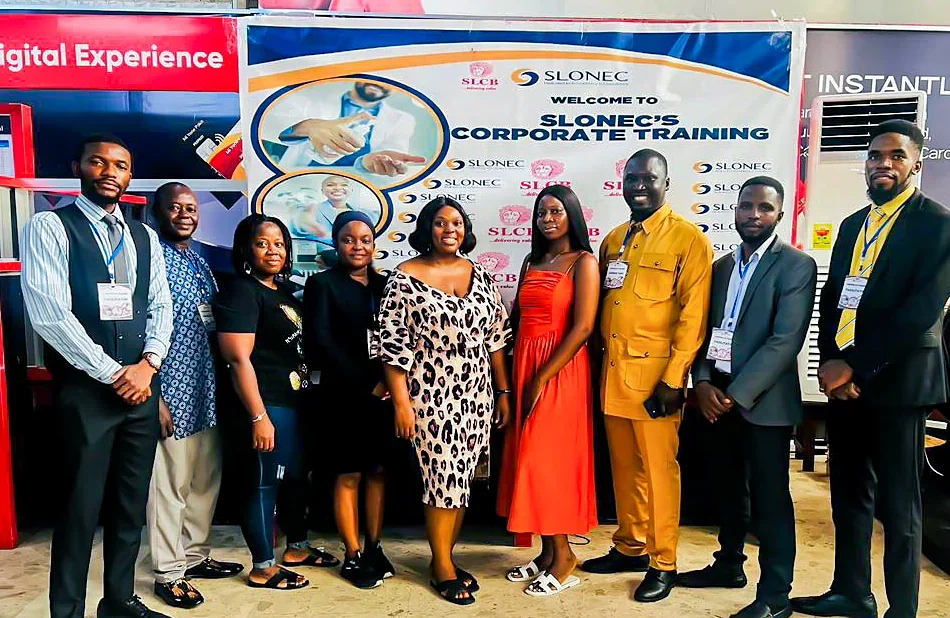
The SLONEC team at a SLONEC corporate training programme in Freetown

Talk to the people who will do the work

The SLONEC Consultancy team

Freetown · 1 Hannah Benka-Coker Street

Your work is handled by the SLONEC Consultancy team at our Freetown office and overseen by Ishmael Bangura, who founded SLONEC in 2023 and is a professional accountant. When you get in touch, we tell you who your day-to-day contact will be and how to reach them, and we agree the scope and fee in writing before any work starts.

Ready to talk?

Tell us what you need, or book a call to talk it through first.